
Everyday
Personal care
A considerate hand with washing, dressing and getting ready, at a pace that feels comfortable.
Home care
When home life changes, knowing where to begin can feel like a lot. We’re here to listen, learn what matters, and talk through support that may fit.

Care, considered together
Familiar routines. Your own front door. A little more support.
Ways we can support
Needs are personal, and they can change. Explore the kinds of help to discuss with us; we’ll listen first and talk through what may be appropriate.
A considerate hand with washing, dressing and getting ready, at a pace that feels comfortable.
Time for conversation, favourite pastimes or simply sharing part of the day with someone who listens.
Practical help with meals, household routines and the little tasks that make a day go smoothly.
Support to enjoy local activities, appointments or time with friends and family.
Stay in familiar surroundings with a carer living in your home, where suitable. Discuss help with personal care, meals, everyday routines and companionship, with working hours, breaks and night-time needs agreed after assessment.
Help during the night, or reassurance nearby, depending on the person’s routines and needs.
A helping hand for a period of time so a family carer can take a pause or attend to other things.
Patient, consistent help with daily routines, communication and personal care for people living with Alzheimer’s or other forms of dementia, shaped around what helps them feel comfortable.
A considerate hand with washing, dressing, meals and everyday activities, with routines adapted to the person’s mobility and comfort.
Comfort-focused personal care and companionship at home, respecting individual wishes and working alongside the guidance of the person’s palliative-care or healthcare team.
Flexible everyday support for people living with multiple sclerosis, including personal care, household tasks and getting around, adapted to changes in energy and mobility.
Unhurried help with personal care, meals and everyday routines for people living with Parkinson’s, with support planned around their preferences and changing needs.
Practical support with personal care, everyday tasks and getting out and about, respecting the person’s choices and agreed mobility arrangements.
Short-term practical support after illness, injury or a hospital stay, helping people rebuild confidence in everyday tasks and follow their agreed recovery plan.
Patient help with daily routines and personal care after a stroke, working around rehabilitation advice and the person’s wishes.
Everyday home support is not a substitute for medical care. Condition-related support should be discussed with our team so we can understand the person’s circumstances and whether we can help.
Keep the routines, relationships and surroundings that matter to you. Tell us the support you need, your postcode and your preferred timing so we can discuss suitability, availability and costs. Our care services are for adults aged 18 and over.
National care, personal support
Blisshealth Care Ltd offers home-care support with national coverage. We believe the most useful first step is a human one: taking time to hear what you and your family need, without assuming that one answer suits everyone.
Home is full of familiar things, daily rhythms and personal choices. Support should respect those details, help people keep doing what matters to them, and make room for family voices too.
Start with a conversationWhat matters most
It’s the small preferences, the familiar routine, the things that make a place feel like home.
Getting started
Arranging care can feel unfamiliar. Here’s a simple picture of how the first conversation can unfold.
Call, email or send an enquiry for yourself or someone close to you. Share the type of support you are exploring, the postcode where care is needed and your preferred timing. There is no need to send detailed medical records through the website.
Discuss daily routines, personal preferences, mobility, accommodation and any night-time needs. Ask about the assessment process, working hours, breaks, cover arrangements and a written breakdown of costs.
Before making a decision, clarify what support can be offered, who is responsible for coordinating it and how changes or concerns would be handled. Care can only start once suitability, availability and the arrangements have been confirmed.
People with a passion for care
Our national team brings together personal commitment, practical experience and a shared belief that good care starts with people.
Managing Director
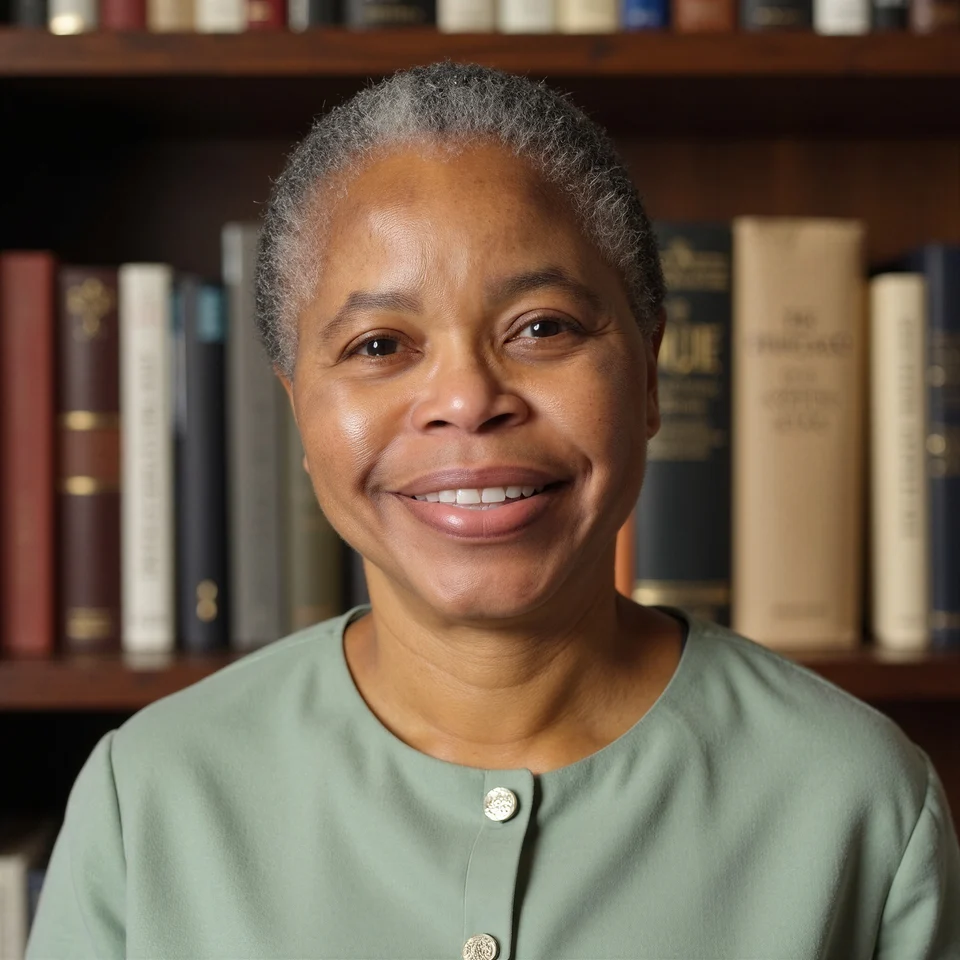
Anthonia’s commitment to caring for others began early. As a child, she hoped to establish a home for babies who had been abandoned—a reflection of a lifelong wish to make a difference.
During her teaching career, she completed a Master’s in Special Educational Needs to better support children’s learning. With her husband’s support, she also fostered young people for her local authority, giving them a welcoming home.
Helping people feel supported and valued remains at the heart of her work. She brings that compassion and determination to her leadership of home care.

Joint Managing Director
Niran brings more than 30 years of experience as a Senior Cyber Security Consultant, including managing international organisations. Alongside his professional work, he serves with multinational charities, helping people develop their potential and supporting those in need.
His interest in people’s wellbeing began with an ambition to become a doctor. Although his career followed a different path, he has remained committed to helping others achieve their goals and receive considerate support.
The experience of losing his mother without the care he had hoped for strengthened his determination to improve care for people who wish to stay at home. That personal commitment guides how he supports both customers and colleagues.

Care Manager
Christiana’s home-care experience spans hands-on senior care, care coordination and service management. She is committed to delivering person-centred support that is safe, dependable and compassionate.
Her calm, organised approach helps her build strong relationships with customers, families and colleagues. She places dignity, independence and wellbeing at the centre of care, backed by sound governance and continuous improvement.
As Care Manager, she works to create a service where every person feels respected, valued and comfortable receiving support in their own home.

BlissHealth team
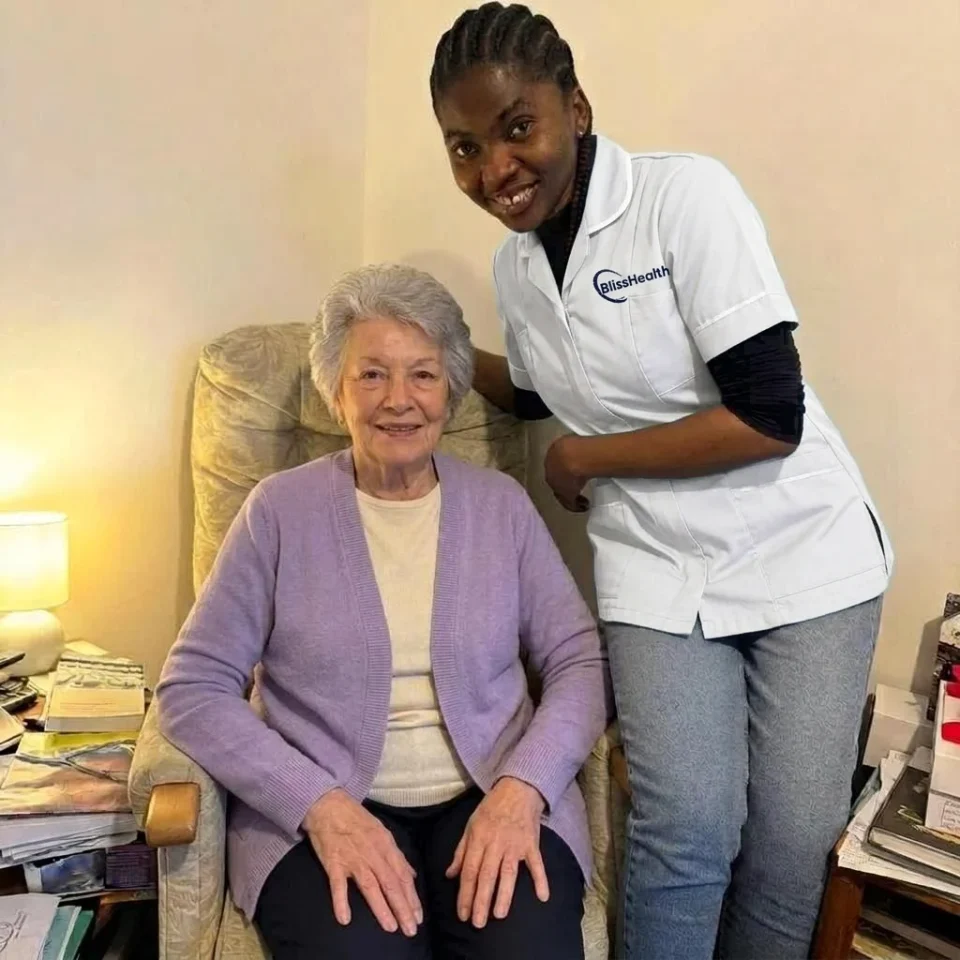
Our carers are ready to help with kindness, a welcoming smile and attention to what makes each person feel at home. We discuss personalised support nationwide—from personal care, live-in and respite support to dementia-aware and night care, daily tasks, companionship and community access.
BlissHealth team
Management and carers share a commitment to supporting people with warmth, dignity and care. Whether you need everyday help, company, a break for a family carer or more ongoing support at home, our team welcomes your questions.
Helpful to know
If something isn’t covered here, we’d be glad to hear from you.
Ask us directlyYes. Many people begin by asking about support for someone close to them. Tell us your relationship and what you have noticed; we can help you think through the next conversation.
No. It’s completely fine to begin with questions or a general sense that some extra help could make day-to-day life easier. We can talk through the possibilities together.
You’re welcome to tell us about the person’s circumstances, including conditions such as dementia, Parkinson’s, diabetes, arthritis, stroke, brain or spinal injury, or physical disability. We’ll discuss their day-to-day support needs and whether our service may be suitable; we do not provide medical treatment through this enquiry.
Your call or email starts a conversation. We can hear what you are looking for, answer questions and discuss possible next steps. An enquiry is not a care booking or confirmation of availability.
Yes. Select Send enquiry to email your details to info@blisshealthc.com. A confirmation appears when our email provider accepts the enquiry for sending. If that cannot be confirmed, your details stay on the page so you can retry or contact us by phone or email.
Live-in care means a carer lives in the person's home to provide agreed support. Depending on assessed needs and the care plan, this may include washing and dressing, preparing meals, everyday household tasks, companionship and help maintaining familiar routines. It is not a substitute for nursing or medical treatment. Blisshealth care services are for adults aged 18 and over; contact us to discuss whether this arrangement may be suitable.
Visiting care provides support at agreed times without a carer living in the home. Live-in care may suit someone who needs more regular help and wants to remain in familiar surroundings, close to their relationships, routines and community. A care home provides accommodation and a different care setting. The right option depends on the person's wishes, assessed needs, home environment and budget; live-in care is not automatically suitable or less expensive.
No. A carer living in the home is not the same as one person working continuously day and night. Working hours, uninterrupted rest, breaks and cover need to be planned. Frequent night-time assistance or continuous awake support requires a separate assessment and may need a different staffing arrangement. Tell our team about night-time needs before agreeing any care.
Costs depend on assessed support needs, the planned hours, night-time requirements, any additional staffing and the duration of care. Ask our team for an individual discussion and a written breakdown of what is included, possible additional charges, cover arrangements and cancellation terms before committing. We do not publish a fixed price or promise that live-in care is cheaper than a care home.
A live-in arrangement normally requires a suitable private bedroom for the carer, access to bathroom facilities and a safe working environment. Discuss meals, household expectations, privacy, breaks, internet access where needed, and how cover will work. Suitability of the home and any equipment or adaptations must be considered as part of planning; a spare room alone does not confirm that live-in care is appropriate.
Yes. You can enquire about short-term help while a family carer takes a break, or practical support following illness or a hospital stay. Explain the dates, location and everyday help needed. Any support depends on assessment and availability and should fit the person's discharge or recovery plan. We cannot guarantee an urgent start, arrange a hospital discharge through this form or replace clinical rehabilitation.
Yes. Tell us about each person's preferences and the help each needs. Remaining together at home may be an option, but both people's needs and the home setting must be considered. One carer may not be sufficient, and suitability, staffing and costs need an individual discussion rather than an assumption that one arrangement covers two people.
Your local authority can explain its care-needs assessment and financial-assessment processes. NHS funding has separate eligibility criteria, and the routes differ across the UK. Ask the relevant council or NHS organisation for current advice; funding is not guaranteed and this website cannot determine eligibility. You can still contact Blisshealth to discuss your care questions while exploring your options.
A brief outline of the everyday support needed, whether you are enquiring for yourself or someone else, the postcode where care is needed and your preferred timing is enough to begin. Mention any night-time support or accommodation questions, but avoid detailed medical records or sensitive documents in the general form. An enquiry does not confirm availability, funding, a start date or a care booking. For immediate danger or a medical emergency, call 999.
Here when you’re ready
Call us directly, or send an enquiry below. If you’re contacting us for someone else, you’re welcome to start the conversation on their behalf.
When you select Send enquiry, your details will be emailed to info@blisshealthc.com so our team can respond. Please avoid including medical records or other sensitive details. This form is not for emergencies.
Name, email and message are required. Please include at least 10 characters in your message.
Read our privacy notice to learn how we use enquiry and care information.
Clear, independent information
Check our registration and find our directory profile using the original sources.

Check personal-care registration details on the CQC website.
The registered service has not yet been inspected.
View official registration details
Find our listing in the homecare.co.uk directory.
View homecare.co.uk profile